
ECOGRACE
Mist Eliminators › Candle Mist Eliminator
Candle Mist Eliminator
Fiber Bed Mist Eliminators for Sub-Micron Acid Mist, Chemical Aerosol & Oil Mist Removal
Engineered by ECOGRACE
Product Overview
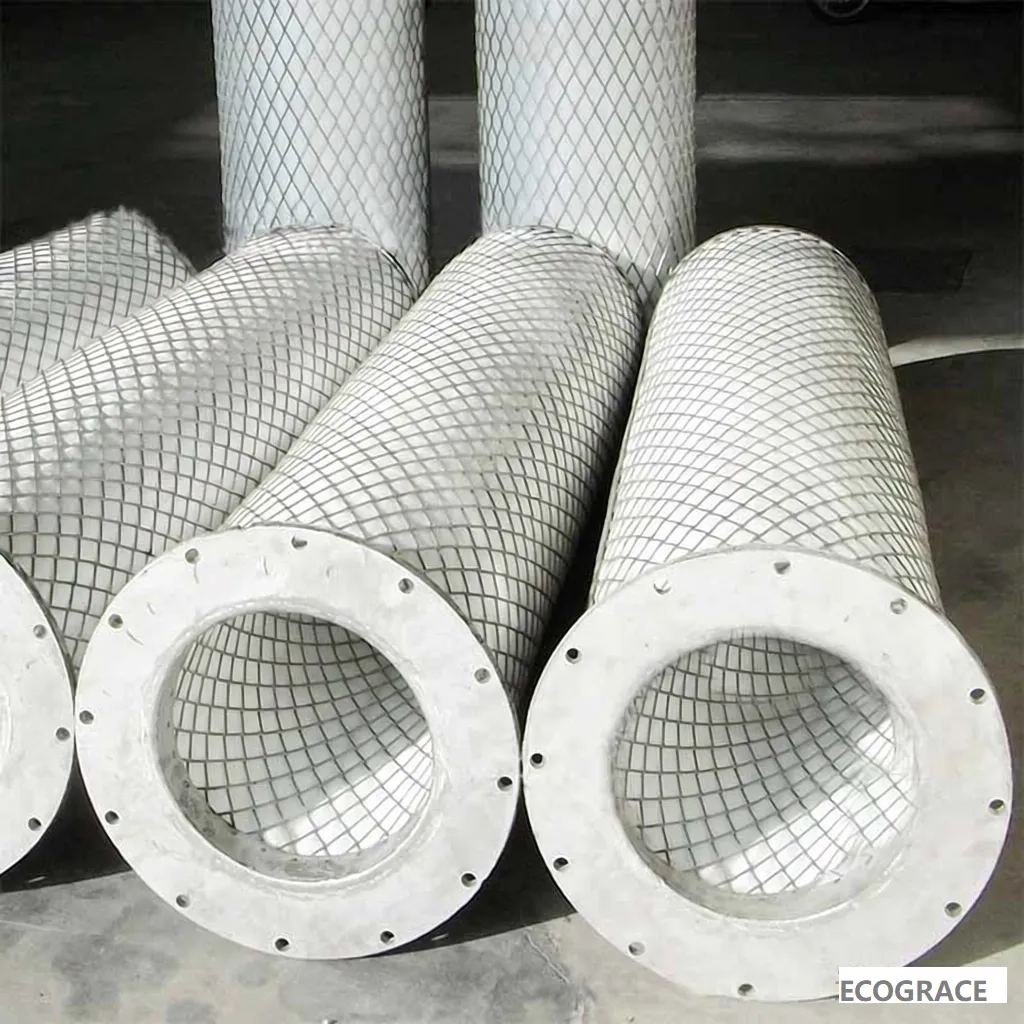
ECOGRACE candle mist eliminators (also known as fiber bed mist eliminators or candle filters) are high-efficiency air pollution control devices engineered to capture sub-micron liquid aerosols, acid mist, and chemical fume that conventional wire mesh demisters and vane-type mist eliminators cannot remove. Operating on the principles of Brownian diffusion, direct interception, and inertial impaction, our candle mist eliminators achieve ≥99.9% removal efficiency for liquid droplets and aerosols down to 0.3 µm — eliminating visible stack plumes and meeting the most stringent emission standards worldwide.
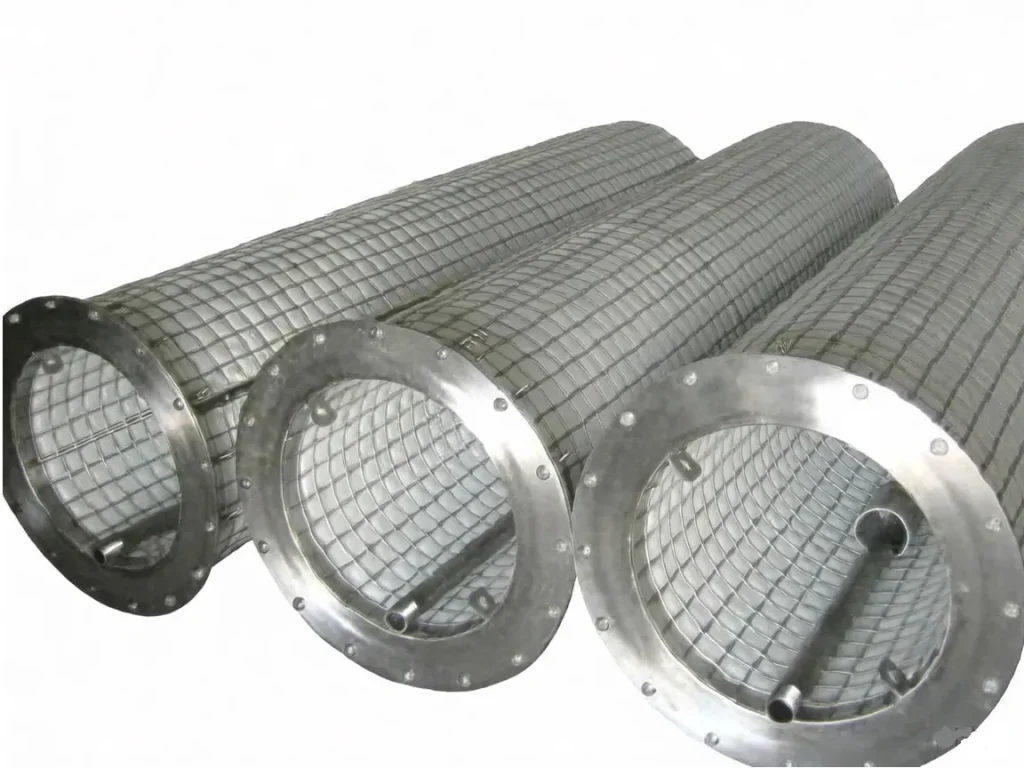
Each candle mist eliminator element consists of tightly packed, chemically resistant fibers (borosilicate glass, polypropylene, or PTFE) wound around a central drainage core and enclosed in a protective outer shell. As mist-laden gas passes through the fiber bed from outside to inside, sub-micron droplets coalesce on fiber surfaces into larger drops that drain by gravity through the core — delivering continuous, self-draining operation with minimal maintenance. The modular candle design allows flexible system sizing from single-element pilot units to large multi-element vessels handling >100,000 Nm³/h gas flow.
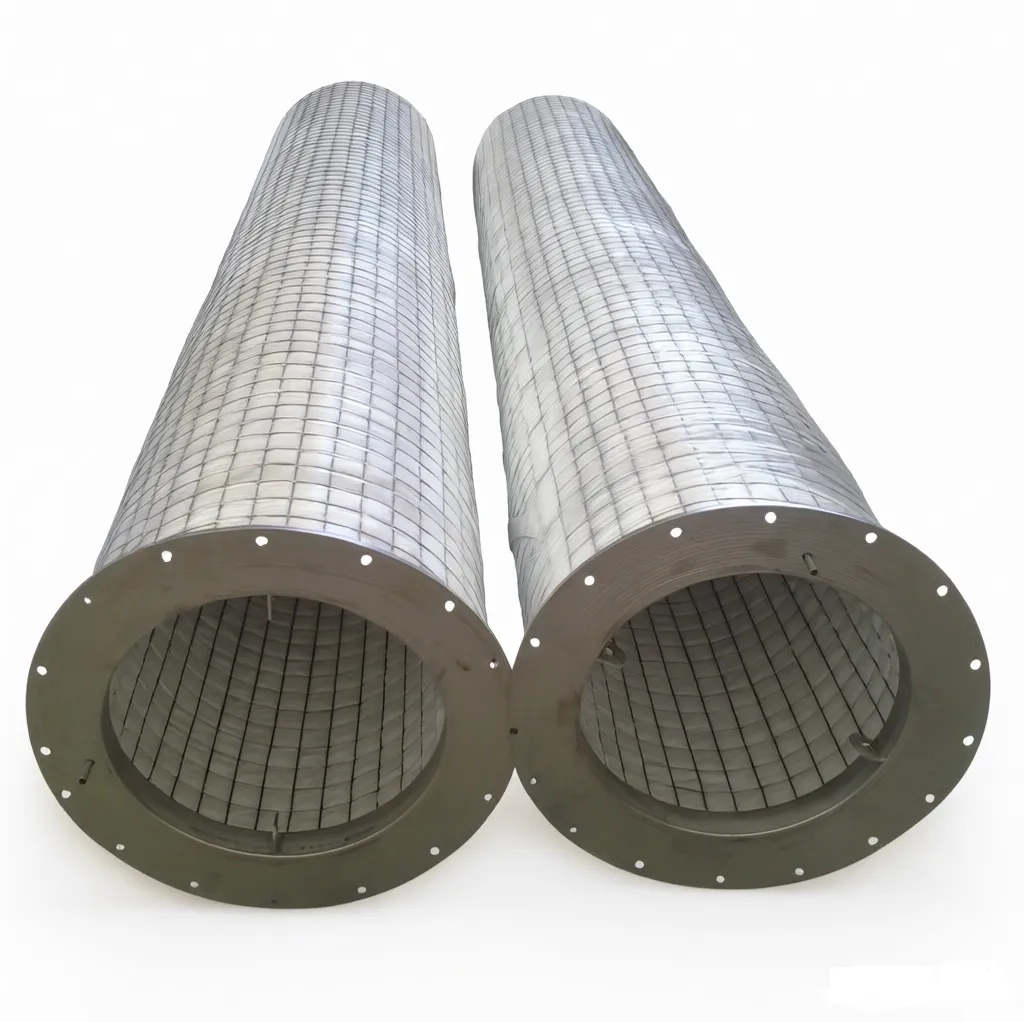
Stainless Steel Candle Mist Eliminator Element
With proven installations across sulfuric acid plants, chlor-alkali facilities, phosphoric acid operations, oil refineries, and chemical processing plants worldwide, ECOGRACE candle mist eliminators provide reliable, long-term compliance with US EPA MACT, EU IED, China GB standards, and the most demanding regional air quality permit requirements for acid mist and chemical aerosol control.
For general liquid droplet removal (>10 µm), our wire mesh demister pads offer a cost-effective solution. For high gas velocity applications, our vane type mist eliminators handle up to 10 m/s. View our complete mist eliminator product range.
Candle Mist Eliminator by Industry Application
Sulfuric Acid Plants
The largest application for candle mist eliminators worldwide. Sulfuric acid absorption towers generate H&sub2;SO&sub4; aerosols in the 0.1–3 µm range that pass through conventional mesh pads. Candle mist eliminators installed downstream of the final absorber reduce acid mist emission to <5 mg/Nm³, meeting EPA NSPS Subpart Aa, EU BAT-AEL, and China GB 26132 requirements. Borosilicate glass fiber candles with PTFE binder provide superior acid resistance for 3–5 years of continuous service.
Phosphoric Acid Production
Wet-process phosphoric acid plants produce fluorine-containing acid mist during rock digestion and evaporation stages. These corrosive aerosols contain H&sub3;PO&sub4;, HF, and SiF&sub4; compounds that attack standard metal components. PTFE or polypropylene fiber bed candle mist eliminators provide complete chemical inertness while capturing >99.9% of fluoride-bearing mist, protecting downstream scrubbers and meeting phosphate industry emission limits.
Chlor-Alkali Industry
Chlorine gas drying towers, HCl absorption systems, and caustic soda evaporators generate corrosive chlorine and hydrochloric acid aerosols. Candle mist eliminators with PVDF or PTFE fiber media remove chlorine mist from cell room ventilation and brine processing off-gas, preventing equipment corrosion, protecting catalysts, and ensuring worker safety. Essential for membrane cell and diaphragm cell chlor-alkali processes.
Oil Refining & Petrochemical
Alkylation units (HF and H&sub2;SO&sub4; processes), amine treating, sulfur recovery units (SRU), and catalytic reformer off-gas systems produce acid aerosols and hydrocarbon mist that require high-efficiency removal. Candle mist eliminators protect Claus unit catalysts, prevent amine loss, and reduce flare system loading. Borosilicate glass fiber candles with hydrocarbon-resistant binder withstand mixed acid-oil mist environments at temperatures up to 200°C.
Nitric Acid & Fertilizer Plants
Nitric acid production and ammonium nitrate (AN) prilling/granulation generate sub-micron HNO&sub3; aerosol and ammonium nitrate fume. Candle mist eliminators downstream of the absorption column capture brown fume (NO&sub2;) condensate and acid mist, reducing visible stack plume and meeting fertilizer industry emission standards. Glass fiber candles with acid-resistant resin binder provide optimal performance in the 60–120°C temperature range typical of nitric acid tail gas.
Chrome Plating & Metal Finishing
Hard chrome and decorative chrome electroplating baths generate hexavalent chromium (Cr VI) acid mist — a known carcinogen regulated under US EPA NESHAP (40 CFR Part 63 Subpart N). Candle mist eliminators are the preferred MACT control technology for chromium plating, achieving >99.97% Cr VI removal to meet the 0.015 mg/dscm emission limit. Polypropylene fiber bed candles resist CrO&sub3; attack and provide reliable compliance for hard chrome and decorative chrome operations.
Power Generation (Wet FGD)
Wet flue gas desulfurization (WFGD) scrubbers in coal-fired and oil-fired power plants produce sulfuric acid aerosol mist downstream of the absorber. While conventional mist eliminators remove larger droplets, sub-micron H&sub2;SO&sub4; aerosol (“blue plume”) passes through and creates visible stack emissions. Candle mist eliminators installed as a polishing stage after the primary demister eliminate blue plume and reduce SO&sub3; slip to <2 mg/Nm³.
Desalination Plants
Multi-stage flash (MSF) and multi-effect distillation (MED) desalination plants use candle mist eliminators to capture brine droplets from steam evaporators, preventing salt carryover that degrades product water quality and corrodes condenser tubes. Polypropylene or PVDF fiber bed candles withstand hot brine splash and chloride exposure while maintaining >99.95% droplet removal efficiency across all evaporator stages.
Candle Mist Eliminator Fiber Media Options
Borosilicate Glass Fiber
The most widely used candle mist eliminator media. Excellent resistance to sulfuric acid, nitric acid, and most inorganic acids at temperatures up to 280°C. Available with PTFE or silicone resin binder for enhanced chemical durability. The standard choice for sulfuric acid plants, oil refinery alkylation units, and power plant wet FGD polishing applications.
Polypropylene (PP) Fiber
Complete chemical inertness to HCl, HF, CrO&sub3;, and most organic solvents at temperatures up to 90°C. The preferred fiber for chrome plating mist control, chlor-alkali HCl absorber off-gas, and pharmaceutical solvent recovery applications where glass fiber reactivity or fiber release is a concern. Lower cost alternative to PTFE fiber for ambient-to-moderate temperature acid mist service.
PTFE (Polytetrafluoroethylene) Fiber
Universal chemical resistance to virtually all acids, alkalis, and solvents at temperatures up to 260°C. The premium candle mist eliminator media for the most aggressive chemical environments including oleum (fuming sulfuric acid), concentrated HF, and mixed acid applications. PTFE fiber candles provide the longest service life in severe-duty applications where other fiber types degrade.
PVDF (Polyvinylidene Fluoride) Fiber
Excellent resistance to chlorine, bromine, and oxidizing acids at temperatures up to 140°C. A cost-effective fluoropolymer alternative to PTFE for chlor-alkali, water treatment, and bleaching chemical applications. PVDF fiber bed candle mist eliminators offer superior mechanical strength and abrasion resistance compared to PP fiber in higher-velocity gas streams.
Fiber Media Comparison for Candle Mist Eliminators
| Fiber Media | Max Temp | Best Application | Acid Resistance | Solvent Resistance | Service Life |
|---|---|---|---|---|---|
| Borosilicate Glass + PTFE Binder | 280°C | Sulfuric acid, FGD, refinery | Excellent (except HF) | Good | 3–5 years |
| Polypropylene (PP) | 90°C | Chrome plating, HCl, chlor-alkali | Excellent (all acids) | Moderate | 2–4 years |
| PTFE Fiber | 260°C | Oleum, HF, mixed acid, severe duty | Superior (universal) | Superior | 5–8 years |
| PVDF Fiber | 140°C | Chlorine, bromine, oxidizing acid | Excellent | Good | 3–5 years |
Technical Parameters — Candle Mist Eliminator
| Parameter | Specification |
|---|---|
| Mist Removal Efficiency | ≥99.9% for droplets ≥0.3 µm / ≥99.0% for droplets ≥0.1 µm |
| Outlet Emission | <5 mg/Nm³ (acid mist) / <0.01 mg/dscm (Cr VI for chrome plating) |
| Operating Temperature Range | Ambient – 280°C (fiber type dependent) |
| Inlet Mist Loading | Up to 1,000 mg/Nm³ (standard) / up to 5,000 mg/Nm³ with pre-separator |
| Gas Velocity Through Fiber Bed | 0.05 – 0.25 m/s (application dependent) |
| Pressure Drop | 150 – 500 Pa (clean) / 300 – 1,500 Pa (operating, mist load dependent) |
| Candle Element Diameter | 60 mm, 80 mm, 100 mm, 120 mm, 150 mm (custom available) |
| Candle Element Length | 500 mm – 3,000 mm (standard) / custom lengths available |
| Fiber Bed Thickness | 25 mm – 75 mm (optimized per application) |
| Fiber Diameter | 2 – 20 µm (coarse to fine layers for depth filtration) |
| Drainage Core Material | SS 316L, PP, PVDF, FRP (application dependent) |
| Outer Protective Shell | Stainless steel mesh, PP mesh, or FRP perforated shell |
| Service Life | 3–8 years (fiber media and operating conditions dependent) |
| Certification | ISO 9001, ISO 14001, CE, SGS tested |
How Candle Mist Eliminators Work
Candle mist eliminators operate on three simultaneous capture mechanisms that together achieve near-total removal of liquid aerosols across the entire sub-micron particle size spectrum. Understanding these mechanisms is essential for selecting the correct fiber diameter, bed thickness, and gas velocity for your specific application:

Candle Mist Eliminator Element
Brownian Diffusion
The primary capture mechanism for the finest aerosols (<0.5 µm). Sub-micron droplets undergo random Brownian motion that causes them to deviate from gas streamlines and contact fiber surfaces. Efficiency increases as gas velocity decreases and fiber diameter decreases, making tightly-packed fine fiber beds highly effective for the smallest acid mist droplets that escape all other mist elimination technologies.
Inertial Impaction
Dominant for larger droplets (>3 µm). As gas flows around fiber surfaces, droplets with sufficient inertia cannot follow the gas streamlines and impact directly onto fibers. This mechanism provides the first stage of mist removal in the outer coarse fiber layer of the candle element, removing bulk mist loading before gas enters the fine fiber inner layer for sub-micron polishing.
Direct Interception
Effective for intermediate droplets (0.5–3 µm). Droplets following gas streamlines are captured when the streamline passes within one droplet radius of a fiber surface. This mechanism bridges the gap between diffusion and impaction, ensuring high capture efficiency across the full droplet size spectrum with no efficiency minimum at any particle size.
Coalescence & Gravity Drainage
Captured sub-micron droplets coalesce on fiber surfaces into progressively larger liquid films that migrate through the fiber bed by capillary action and gravity to the central drainage core. Coalesced liquid drains continuously through the core tube to a sealed sump, preventing re-entrainment. This self-cleaning mechanism provides continuous operation without backwash or media replacement for years of service.
Why Choose Candle Mist Eliminators Over Conventional Demisters
Standard wire mesh demister pads and vane-type mist eliminators are effective for removing large droplets (>10 µm) but have fundamental physical limitations that prevent efficient capture of sub-micron aerosols. When your emission permit, product purity, or equipment protection requirements demand control of fine acid mist, chemical aerosol, or oil fog below 3 µm, candle mist eliminators are the only proven technology that delivers reliable, continuous performance:
Sub-Micron Capture Capability
Wire mesh demisters are limited to droplets >10 µm and vane packs to >5 µm. Candle mist eliminators capture aerosols down to 0.1 µm — the only technology capable of controlling sulfuric acid mist, chromic acid fume, and other fine chemical aerosols that create visible stack plumes and regulatory non-compliance.
Continuous Self-Draining Operation
Unlike electrostatic precipitators (ESP) that require periodic wash-down or packed tower scrubbers that generate wastewater, candle mist eliminators continuously drain captured liquid by gravity. No wash water, no wastewater treatment, no scheduled cleaning downtime. Maintenance is limited to periodic visual inspection and element replacement every 3–8 years.
Chemical Versatility
With four fiber media options (glass, PP, PTFE, PVDF), candle mist eliminators handle virtually any chemical environment from concentrated sulfuric acid at 200°C to chromic acid at ambient temperature. No metallic components in the gas path means zero corrosion-related failure in the harshest acid mist applications.
Low Operating Cost
No chemicals, no electricity (gravity drainage), no consumables, and no wastewater treatment. Operating cost is limited to the pressure drop across the fiber bed (typically 300–1,500 Pa), which is comparable to wire mesh demisters. With element service life of 3–8 years, the total cost of ownership is significantly lower than ESP or wet scrubber alternatives for sub-micron mist control.
Industries & Applications We Serve
Phosphoric Acid Production
Chlor-Alkali Industry
Hydrochloric Acid (HCl)
Nitric Acid Production
Hydrofluoric Acid (HF)
Chrome Plating & Metal Finishing
Oil Refinery Alkylation
Petrochemical Processing
Wet FGD / Power Plant
Fertilizer Plants
Desalination (MSF/MED)
Pharmaceutical & Fine Chemical
Sulfur Recovery Unit (SRU)
Battery Acid Manufacturing
Solvent Recovery Systems
Product Gallery
Fiber Bed Candle Mist Eliminator Elements
Acid Mist Candle Filter Elements
Stainless Steel Candle Mist Eliminator
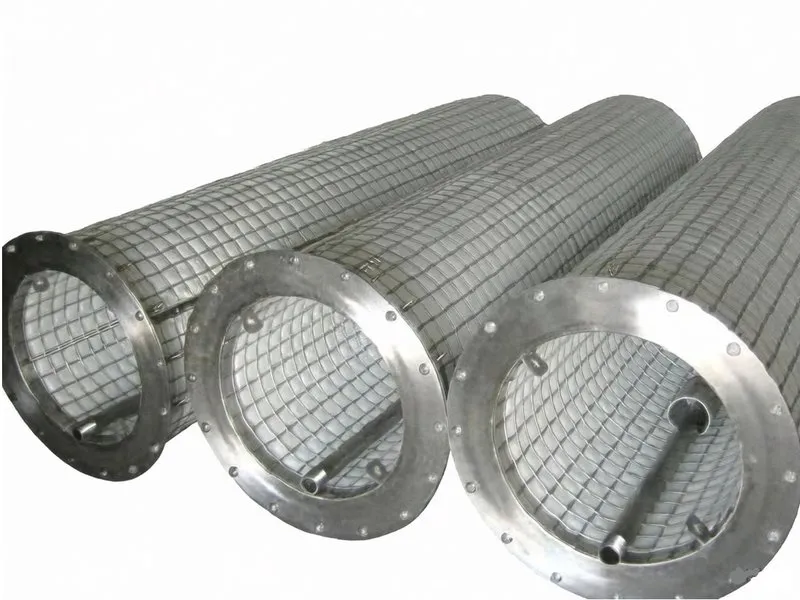
Flanged Mist Eliminator Filter Elements
ECOGRACE Advantages for Candle Mist Eliminators
Application-Specific Engineering
Every candle mist eliminator order is engineered for your specific process conditions — acid type and concentration, gas temperature and flow rate, inlet mist loading, and target outlet emission. We optimize fiber type, fiber diameter, bed thickness, packing density, and candle geometry to deliver the highest collection efficiency at the lowest pressure drop for your exact application.
Drop-In Replacement Compatibility
We manufacture candle mist eliminator elements compatible with all major OEM vessel designs including CECO/Fisher-Klosterman, Kimre, Koch-Otto York, Begg Cousland (Ceco), Munters, and Mettler-Toledo. Provide your existing element dimensions (diameter x length), tube sheet configuration, and vessel drawings for exact-fit replacements with optimized fiber media.
Complete System Supply
Beyond candle elements, ECOGRACE supplies complete candle mist eliminator vessels including FRP, SS 316L, or Hastelloy housings, tube sheets, drain systems, and inlet distribution baffles. Turnkey systems engineered to ASME, PED, or GB/T standards with full installation support, commissioning assistance, and performance guarantee.
Factory-Direct Pricing
As a direct manufacturer with in-house fiber winding, resin impregnation, and quality testing capabilities, ECOGRACE delivers candle mist eliminator elements at 40–60% lower cost than European and North American OEM suppliers. Same performance specifications, same materials, rigorous quality control — with significant cost savings on both initial purchase and replacement elements.
Frequently Asked Questions — Candle Mist Eliminators
What is the difference between a candle mist eliminator and a wire mesh demister pad?
Wire mesh demister pads use knitted metal or plastic wire to remove liquid droplets larger than 10 µm through inertial impaction. They are effective for bulk liquid knockout but cannot capture sub-micron aerosols. Candle mist eliminators (fiber bed mist eliminators) use densely packed fine fibers (2–20 µm diameter) to capture aerosols down to 0.1 µm through Brownian diffusion, interception, and impaction. Use wire mesh demisters for large droplet removal and candle mist eliminators for sub-micron acid mist, chemical aerosol, and fine oil mist control.
Which fiber media should I choose for my candle mist eliminator?
Selection depends on chemical environment and temperature: Borosilicate glass fiber — sulfuric acid, nitric acid, FGD, refinery applications up to 280°C (most common choice). Polypropylene — chrome plating, HCl, chlor-alkali at ambient to 90°C (lowest cost). PTFE fiber — oleum, HF, mixed acid, and severe-duty applications up to 260°C (universal chemical resistance, longest life). PVDF — chlorine, bromine, and oxidizing chemicals up to 140°C. Contact ECOGRACE with your process conditions for a detailed recommendation.
How long do candle mist eliminator elements last?
Service life depends on mist loading, chemical aggressiveness, and operating temperature. In sulfuric acid plants with properly designed pre-separation, glass fiber candle elements typically last 3–5 years. PTFE fiber candles in severe acid service last 5–8 years. PP fiber candles in chrome plating applications last 2–4 years. Signs of element replacement need include rising pressure drop that does not recover after drainage, visible stack plume return, or declining outlet emission test results.
Can you supply replacement candle elements for existing OEM vessels?
Yes. We manufacture drop-in replacement candle mist eliminator elements compatible with all major OEM systems including CECO/Fisher-Klosterman, Kimre, Koch-Otto York, Begg Cousland, and Munters designs. Provide your existing element dimensions (diameter, length, fiber bed thickness), tube sheet hole pattern, and sealing method (gasket, O-ring, or compression fit) for exact-fit replacements. We can also upgrade fiber media type for improved performance or extended service life.
What is the minimum order quantity, pricing, and lead time?
MOQ is 10 pieces for standard candle element sizes. Pricing ranges from $200–$2,000/piece depending on fiber media (glass vs. PP vs. PTFE), element dimensions, and quantity. Complete vessel systems are quoted per project. Standard element delivery 20–30 days; complete systems 45–60 days. Pilot-scale elements and test samples available for laboratory evaluation and performance validation before production orders.
Related Mist Eliminator Products
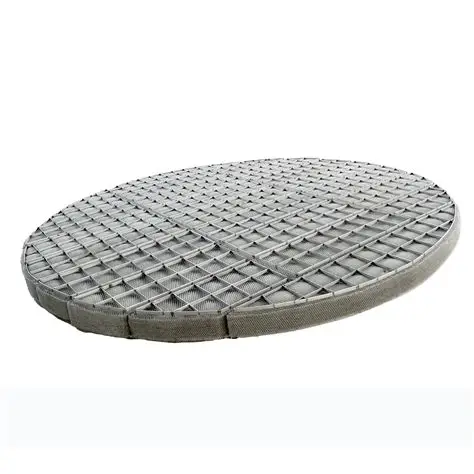
Wire Mesh Demister Pad
Knitted mesh pads for general-purpose entrainment separation (>10 µm). Low cost, low pressure drop.
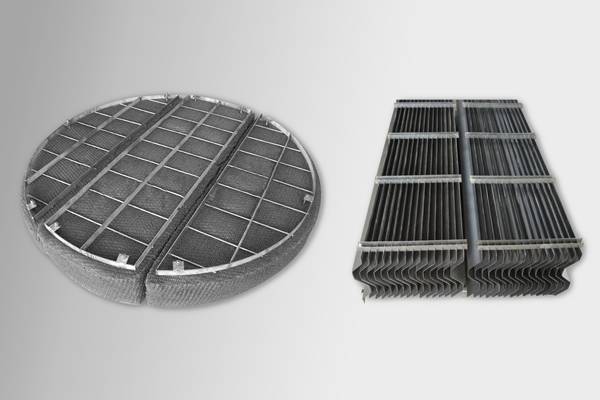
Vane Type Mist Eliminator
Chevron vane packs for high-velocity gas-liquid separation (>5 m/s). Ideal for KO drums and separators.
View our complete mist eliminator product range with technology comparison and selection guide.
Request a Technical Quote for Candle Mist Eliminators
Contact ECOGRACE for application-specific fiber bed mist elimination solutions
WhatsApp: +86-13588065995
Also from ECOGRACE: Wire Mesh Demister Pad • Vane Type Mist Eliminator • All Mist Eliminators • www.industrial-filter.com
Industries: Oil & Gas • Sulfuric Acid • Power Generation • Chlor-Alkali