
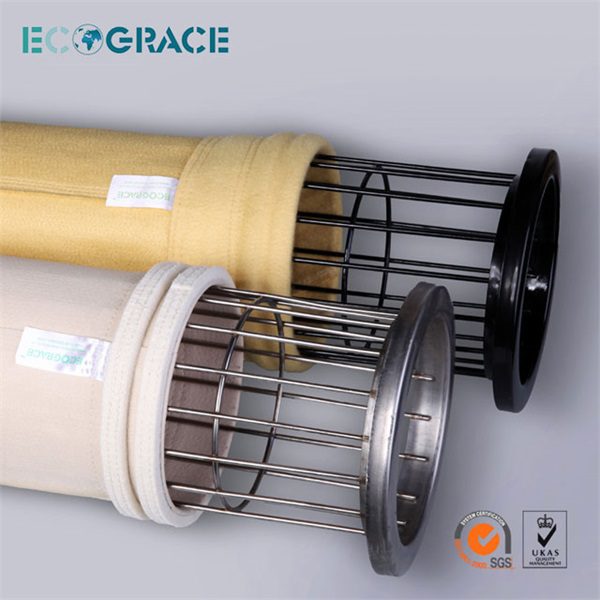
Aluminum Smelting Filter Bags
Potline Fume & Alumina Dust Collection for Primary & Secondary Aluminum
Engineered by ECOGRACE
Product Overview
ECOGRACE aluminum smelting filter bags are specifically engineered for the extreme fluoride-rich, high-temperature fume environment of aluminum production. Primary aluminum smelting generates potline fume containing hydrogen fluoride (HF), particulate fluorides, alumina dust, and sulfur dioxide — a uniquely corrosive gas mixture that demands chemical-resistant, high-performance filtration media.
Our aluminum smelting filter bags deliver 99.9% particulate capture efficiency at 0.3 microns while withstanding continuous temperatures from 150°C to 260°C. Each bag features specialized acid and fluoride-resistant treatments designed to survive the aggressive gas chemistry of Hall-Héroult electrolysis cells, anode baking furnaces, and secondary aluminum melting operations.
With proven installations in primary smelters, secondary recycling plants, and alumina refineries across the Middle East, China, Russia, and North America, ECOGRACE provides dust collector filter bags that meet the strictest fluoride emission limits while recovering valuable alumina and reducing total filtration operating costs.
Filter Bags for Each Aluminum Process
Potline (Electrolysis Cells)
HF gas and particulate fluorides at 150-200°C from reduction cells. Requires acid and fluoride-resistant media with fresh alumina pre-coating for HF adsorption. NOMEX filter bags or acrylic with PTFE membrane are standard.
Anode Baking Furnace
Pitch fume, SO2, and carbon dust at 180-250°C. Sticky hydrocarbon condensation requires oleophobic-treated PTFE membrane filter bags on aramid or fiber glass substrate for tar rejection.
Alumina Handling & Refining
Fine alumina powder at 80-150°C from calcination, conveying, and storage systems. Polyester or acrylic needle felt with anti-static treatment for explosion prevention in alumina dust environments.
Secondary Aluminum Melting
Metallic fume, chloride gas, and dross dust at 150-220°C from rotary and reverberatory furnaces. Chemical-resistant PPS filter bags or NOMEX with PTFE membrane for chloride and fluoride resistance.
Casthouse & Casting
Aluminum oxide fume and flux dust at 120-180°C during metal transfer, degassing, and casting operations. Standard NOMEX or acrylic bags with surface filtration for clean fume capture and low pressure drop.
Recommended Filter Media for Aluminum Smelting
NOMEX (Aramid) Filter Bags
200-260°C continuous. Industry standard for potline Gas Treatment Centers (GTC). Excellent flex life and dimensional stability under thermal cycling. Acid-resistant finish for fluoride environments.
PTFE Membrane Filter Bags
Surface filtration for maximum fluoride recovery. Prevents alumina and fluoride penetration into fiber depth. Achieves <5 mg/Nm³ outlet emissions and maximizes alumina recycling back to potline.
PPS Filter Bags
160-190°C with superior acid, fluoride, and chloride resistance. Ideal for secondary aluminum smelting with chlorine-based flux and high-HCl off-gas conditions.
Fiber Glass Filter Bags
Up to 280°C for anode baking furnaces and high-temperature off-gas. PTFE membrane with oleophobic finish for pitch tar rejection. Excellent chemical stability in SO2-rich environments.
Material Comparison for Aluminum Applications
| Material | Temperature | Best Aluminum Application | Fluoride Resistance | Service Life |
|---|---|---|---|---|
| NOMEX (Aramid) | 200-260°C | Potline GTC, casthouse | Good | 24-36 months |
| PTFE Membrane | Up to 260°C | GTC fluoride recovery, ultra-low emission | Excellent | 24-36 months |
| PPS | 160-190°C | Secondary smelting, chloride flux | Excellent | 24-30 months |
| Fiber Glass | Up to 280°C | Anode baking furnace | Good | 18-24 months |
| Acrylic | Up to 140°C | Alumina handling, low-temp GTC | Moderate | 18-24 months |
Technical Parameters
| Parameter | Specification |
|---|---|
| Filtration Efficiency | 99.9% at 0.3 microns |
| Outlet Emission | <5 mg/Nm³ (with PTFE membrane) |
| Fluoride Recovery Rate | >99% HF capture with alumina pre-coating |
| Temperature Range | 140°C – 280°C (material dependent) |
| Air-to-Cloth Ratio | 0.8-1.2 m/min (potline GTC applications) |
| Service Life | 18-36 months (process dependent) |
| Tensile Strength | ≥800N/5cm (warp) / ≥1000N/5cm (weft) |
| Air Permeability | 10-16 m³/m²/min @ 200Pa |
| Surface Treatment | PTFE membrane, oleophobic, acid-resistant, fluoride-resistant finish |
| Certification | ISO 9001, ISO 14001, CE |
Why Aluminum Smelters Need Specialized Filter Bags
Aluminum smelting produces one of the most chemically aggressive flue gas environments in industrial processing. The combination of hydrogen fluoride, particulate fluorides, sulfur dioxide, pitch tar, and fine alumina dust creates conditions that no standard baghouse filter bag can survive. Understanding these unique challenges is essential for reliable Gas Treatment Center (GTC) performance.
Hydrogen Fluoride (HF) Attack
Primary smelting releases HF gas that chemically degrades non-resistant filter fibers. Fluoride-resistant media treatments and alumina pre-coating systems are mandatory to protect bag integrity and recover fluoride for potline recycling.
Pitch Tar Condensation
Anode baking furnaces produce heavy polycyclic aromatic hydrocarbon (PAH) vapors that condense as sticky tar on filter surfaces. Oleophobic-treated PTFE membrane prevents tar penetration and maintains pulse cleanability.
Fluoride Recovery Requirements
GTC systems must capture >99% of fluoride emissions for recycling back to electrolysis cells. PTFE membrane surface filtration maximizes fluoride-loaded alumina recovery while preventing valuable material from embedding in fiber depth.
SO2 and Acid Gas Corrosion
Sulfur from petroleum coke anodes produces SO2 that forms sulfuric acid below the dew point. Combined with HF, this creates an extremely corrosive environment that requires chemical-resistant PPS or treated NOMEX media.
24/7 Continuous Operation
Electrolysis cells run continuously — potline GTC baghouses cannot shut down for maintenance without significant production loss. Filter bags must deliver 24-36 months of uninterrupted service between replacements.
Chloride Gas in Secondary Smelting
Secondary aluminum recycling uses chlorine-based flux for degassing and dross treatment, producing HCl gas in the exhaust. Filter media must resist both HCl and residual fluoride from recycled aluminum scrap.
Aluminum Industry Segments We Serve
ECOGRACE Advantages for Aluminum Smelters
GTC-Specific Engineering
Filter bags designed for your specific cell technology — prebake or Søderberg. We optimize media selection, surface treatment, and bag construction based on your GTC design, gas temperature, and fluoride loading rate.
Maximum Fluoride Recovery
PTFE membrane surface filtration ensures fluoride-loaded alumina stays on the bag surface for efficient pulse cleaning recovery. Over 99% fluoride capture rate reduces raw material costs and environmental liability.
Extended Potline Uptime
24-36 month service life with stable pressure drop performance eliminates mid-campaign bag replacements. Reduces GTC downtime, maintenance labor, and the production losses associated with potline ventilation interruptions.
Global Smelter Experience
Proven installations across primary smelters in the Middle East, China, India, Russia, and South America. Compatible with all major GTC designs including Fives ECL, Alstom, and Rio Tinto AP systems.
Frequently Asked Questions
What filter bag material is best for potline GTC systems?
NOMEX filter bags with PTFE membrane and acid-resistant finish are the industry standard for potline GTC baghouses. For smelters using prebake technology with lower gas temperatures (below 190°C), PPS filter bags provide superior fluoride and acid resistance at lower cost.
How do you handle pitch tar in anode baking furnace baghouses?
We use fiber glass filter bags or NOMEX substrate with PTFE membrane and oleophobic treatment. The membrane prevents tar penetration into fiber depth while the oleophobic coating ensures sticky PAH residues release during pulse cleaning, maintaining stable differential pressure.
Can your filter bags maximize fluoride recovery for potline recycling?
Yes. PTFE membrane surface filtration ensures that fluoride-loaded alumina particles remain on the bag surface rather than embedding in fiber depth. This maximizes the recovery of enriched alumina during pulse cleaning, achieving >99% fluoride capture for direct recycling back to electrolysis cells.
Do you supply filter bags for secondary aluminum recycling plants?
Yes. Secondary smelting produces chloride and fluoride-bearing off-gas from flux treatments. We supply PPS and NOMEX filter bags with combined acid, chloride, and fluoride-resistant treatments designed for rotary furnace, reverberatory furnace, and dross processing dust collector systems.
What is the minimum order quantity and delivery time?
MOQ is 100 pieces for standard sizes. Large-scale smelter replacement programs (1,000+ pieces) receive priority scheduling. Standard delivery 15-20 days, full GTC changeout orders 25-30 days. Free samples available for laboratory testing and quality evaluation.
Request a Technical Quote for Aluminum Smelting Filter Bags
Contact ECOGRACE for customized fume collection solutions for your aluminum smelting operations
[email protected]WhatsApp: +86-13588065995
Learn more about baghouse filter bags