
Aqua Regia Gold Recovery: Safety, Equipment and Process Guide
What Is Aqua Regia and Why Is It Used for Gold Recovery?
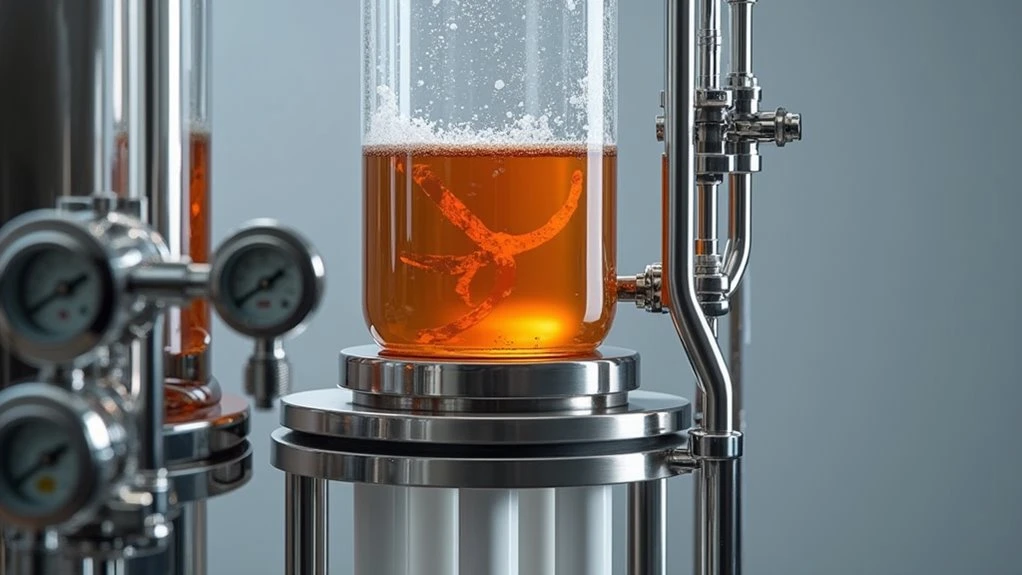
Aqua regia is a highly corrosive mixture of concentrated nitric acid (HNO₃) and hydrochloric acid (HCl), typically mixed in a 1:3 ratio. The name comes from Latin, meaning “royal water,” because it can dissolve noble metals such as gold, platinum and palladium that resist most other acids.
The chemistry works because nitric acid oxidizes the gold surface, while hydrochloric acid provides chloride ions that form soluble chloroauric acid (HAuCl₄). Once dissolved, gold can be selectively precipitated from the solution using reducing agents such as sodium sulfite or hydrazine hydrochloride.
Small scale refiners choose aqua regia because it:
- Dissolves gold and platinum group metals quickly at 70–80°C
- Requires relatively simple equipment compared to electrolytic refining
- Works on a wide range of feed materials, from sweeps to dental scrap
- Can be scaled from benchtop batches to semi-continuous operations
Safety First: Hazards of Aqua Regia Gold Recovery
Primary Hazards
- Toxic gas release: Heating aqua regia generates visible reddish-brown NO₂ gas and other NOx compounds. These gases are deadly in confined spaces.
- Skin and eye burns: Both concentrated acids cause immediate tissue damage on contact.
- Chlorine gas: Mixing aqua regia with certain metals or organic materials can release chlorine gas.
- Explosion risk: Adding water to concentrated acids, or mixing acids in the wrong order, can cause violent reactions.
- Corrosion: Acid vapors corrode nearby steel, electronics and building materials.
Required Personal Protective Equipment (PPE)
| Item | Purpose |
|---|---|
| Chemical splash goggles or face shield | Protect eyes from acid splashes and fumes |
| Nitrile or neoprene gloves | Acid-resistant hand protection |
| Acid-resistant apron or lab coat | Protect skin and clothing |
| Respirator with acid gas cartridges | Required if ventilation is inadequate |
| Closed-toe acid-resistant boots | Foot protection from spills |
| Emergency shower and eyewash station | For immediate decontamination |
Essential Equipment for Aqua Regia Gold Recovery
A safe and efficient aqua regia setup requires more than a glass beaker and a hotplate. The following equipment forms a complete small scale gold refining system:
1. Aqua Regia Reactor
The reactor must withstand strong acids and moderate heat. Common options include:
- Borosilicate glass vessels — good visibility and chemical resistance, but fragile
- PTFE-lined steel reactors — durable, acid-proof and suitable for repeated batches
- PP or PVDF tanks — economical for very small operations
For batches producing 500 g to 5 kg of recovered gold per month, a 20–100 liter reactor with a heating jacket is usually sufficient.
2. Heating System
The aqua regia reaction is typically run at 70–80°C. Electric heating jackets, oil baths or controlled hotplates are used. Avoid open flames or uncontrolled heating, which can cause boil-over and dangerous fume release.
3. Acid Fume Scrubber
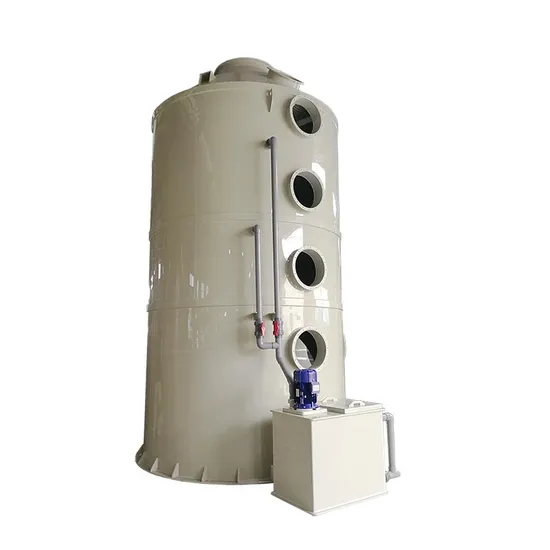
All fumes from the reactor must be captured and neutralized. A PP packed tower scrubber sprays alkaline solution (usually NaOH) counter-current to the exhaust gas, neutralizing HCl, Cl₂ and most NOx.
4. PTFE Mist Eliminator
After the scrubber, sub-micron acid mist droplets remain in the gas stream. A PTFE fiber bed mist eliminator captures these droplets through inertial impaction, achieving 99%+ removal efficiency and protecting both workers and downstream equipment.
5. Precision Filtration
After dissolution, undissolved solids such as sand, carbon and metal oxides must be removed. A 5 micron or 10 micron PTFE filter cartridge separates solids while allowing the gold-bearing solution to pass through.
6. Gold Precipitation Setup
The filtered solution is treated with a reducing agent to precipitate metallic gold. Common precipitants include sodium sulfite, oxalic acid or hydrazine hydrochloride. The precipitate is then filtered, washed, dried and melted into an ingot.
| Equipment | Function | Recommended Material |
|---|---|---|
| Aqua regia reactor | Dissolve gold-bearing ash in acid | Glass or PTFE-lined steel |
| Heating jacket | Maintain 70–80°C reaction temperature | Electric, temperature-controlled |
| Acid fume scrubber | Neutralize HCl, NOx and Cl₂ | PP packed tower |
| PTFE mist eliminator | Capture sub-micron acid mist | PTFE fiber bed |
| 5/10 micron filter | Remove solids from gold solution | PTFE or PP cartridge |
| Precipitation vessel | Precipitate gold from solution | PP or HDPE |
| Melting furnace | Melt gold precipitate into ingot | Induction or torch with crucible |
The Aqua Regia Gold Recovery Process Step by Step
Step 1: Prepare the Feed Material
Jewelry sweeps, carpets, e-waste or dental scrap are first incinerated at 600–850°C in a sealed gold ash incinerator. This removes organic materials and concentrates the precious metals into ash. For very small operations, the ash can be collected manually; larger operations may use a baghouse dust collector to capture fine metal particles.
Step 2: Charge the Reactor
Place the ash into the reactor and add the acids in the correct order: hydrochloric acid first, then nitric acid, in a 3:1 ratio by volume. Adding water or nitric acid first can cause dangerous splashing or localized overheating.
Step 3: Heat and Dissolve
Heat the mixture to 70–80°C and maintain for 2–4 hours. Stir occasionally if the reactor design allows. The solution will change color as gold dissolves into chloroauric acid. Platinum and palladium will also dissolve if present.
Step 4: Filter the Solution
Once dissolution is complete, allow the solution to cool slightly and filter it through a 5 micron or 10 micron PTFE/PP cartridge. This removes undissolved solids and prevents gold particles from being lost in the sludge.
Step 5: Precipitate the Gold
Slowly add a reducing agent to the filtered solution. Gold will precipitate as a brown solid. Continue adding reagent until no more precipitate forms. Let the solids settle, then filter and wash with distilled water.
Step 6: Dry and Melt
Dry the gold precipitate thoroughly and melt it in a crucible to produce a gold ingot. Silver can be recovered separately by precipitating silver chloride from the remaining solution.
Common Mistakes in Aqua Regia Gold Recovery
- Wrong acid mixing order: Always add HCl before HNO₃ to minimize violent reactions.
- Overheating: Temperatures above 90°C increase fume production and can cause boil-over.
- Inadequate ventilation: Working without a scrubber or mist eliminator exposes operators to toxic gases.
- Poor filtration: Using textile or paper filters allows fine gold particles to escape.
- Storing mixed aqua regia: Mixed aqua regia decomposes rapidly and releases chlorine gas. Mix only what you need.
- Ignoring silver: Silver precipitates as AgCl when HCl is present; plan to recover it separately.
How Much Does a Small Scale Aqua Regia Setup Cost?
A basic system including reactor, heating, filtration and acid fume control typically ranges from $7,000 to $15,000 USD. Larger or fully automated systems can cost $20,000–$50,000. The main cost drivers are:
- Reactor capacity and material (PTFE-lined steel is more expensive than glass)
- Whether a dust collector is included
- Size and material of the scrubber and mist eliminator
- Automation level (temperature control, automatic dosing, etc.)
At current gold prices, improving recovery efficiency by just 10% often pays back the entire equipment investment within the first year.
Conclusion
Aqua regia gold recovery is a powerful and accessible refining method, but it cannot be done safely without the right equipment and procedures. A complete setup must include an acid-resistant reactor, controlled heating, precision filtration, and — most importantly — effective acid fume scrubbing and PTFE mist elimination.
By following the six-step process and avoiding common mistakes, small refiners can recover gold, silver and platinum group metals efficiently while protecting their workers and staying compliant with environmental regulations.
ECOGRACE supplies acid fume scrubbers, PTFE mist eliminators, precision filtration units and high-temperature dust collection equipment for small scale gold refining operations worldwide.
Frequently Asked Questions
What is the correct nitric acid to hydrochloric acid ratio for aqua regia?
The classic aqua regia ratio is 1 part concentrated nitric acid to 3 parts concentrated hydrochloric acid by volume. This ratio provides enough nitric acid to oxidize the gold and enough chloride to form soluble chloroauric acid.
What temperature should aqua regia gold recovery be performed at?
The reaction is typically run at 70–80°C. Higher temperatures increase reaction speed but also produce more toxic fumes and increase the risk of boil-over.
Is aqua regia gold recovery safe?
Aqua regia is highly hazardous and safe only when performed in sealed equipment with proper ventilation, an acid fume scrubber, a PTFE mist eliminator and appropriate PPE. It should never be used in open containers or poorly ventilated spaces.
What filter should I use for aqua regia gold recovery?
Use a 5 micron or 10 micron filter cartridge made of PTFE or PP. These materials resist nitric acid, hydrochloric acid and the temperatures reached during filtration.
How is gold precipitated from aqua regia?
Gold is precipitated by adding a reducing agent such as sodium sulfite, oxalic acid or hydrazine hydrochloride to the filtered solution. The gold forms a brown solid that is filtered, washed, dried and melted.
Can aqua regia recover platinum and palladium too?
Yes. Platinum and palladium dissolve in aqua regia along with gold. They can be recovered from the same solution through selective precipitation: gold first, then platinum with ammonium chloride, and palladium with dimethylglyoxime.
Why do I need a PTFE mist eliminator if I already have a scrubber?
A packed tower scrubber removes most acid gases but cannot capture sub-micron acid mist droplets. A PTFE fiber bed mist eliminator removes these fine droplets, achieving 99%+ efficiency and preventing corrosion and health hazards.