
Small Scale Gold Recovery System: Complete Guide from Scrap to Pure Gold
Why Standardize Your Gold Recovery Process?
Manual gold refining using aqua regia is common in small workshops, but it comes with serious problems:
- Gold loss: Open burning allows fine gold particles to escape with smoke.
- Inconsistent filtration: Local market textile materials do not provide stable 5 micron or 10 micron filtration.
- Safety risks: Aqua regia releases toxic nitrogen oxides (NOx) and hydrochloric acid fumes.
- No process control: Temperature, reaction time and filtration are not standardized.
A turnkey precious metal recovery system solves these problems by combining a sealed gold ash incinerator, acid-resistant reactor, precision filtration and acid fume scrubbing into one controlled workflow.
What Materials Can Be Processed for Precious Metal Recovery?
One of the biggest advantages of a small scale recovery system is its versatility. Almost any scrap material that has been in contact with precious metals can be processed. The most common feed materials include:
Jewelry Workshop Waste
- Sweeps: Floor sweepings and bench filings from jewelry workshops — typically the highest-grade feed material.
- Carpets and floor mats: Workshop carpets that trap fine gold and silver dust over months or years of use.
- Polishing and buffing dust: Dust collected from polishing wheels, buffing compounds and dust extraction bags.
- Filters and filter cloths: Used filtration media from jewelry casting and finishing processes.
- Casting sprues and buttons: Leftover metal runners, sprue cuttings and investment plaster residue from lost-wax casting.
- Crucible and mold residue: Scraped or broken crucibles, melting dishes and mold linings that have absorbed metal.
- Broken and rejected pieces: Defective castings, soldered assemblies and scrap jewelry not suitable for resale.
Electronic Waste (E-Waste)
- Printed circuit boards (PCBs): Computer motherboards, RAM modules, expansion cards and telecom boards with gold-plated contacts and traces.
- Connectors and pins: Gold-plated edge connectors, CPU pins, SIM card contacts and IC chips.
- Relays and switches: Gold and silver contact points from industrial relays, thermostats and electrical switches.
- Cables and wiring: Gold-bonded wire, ribbon cables and aerospace-grade wiring with precious metal plating.
Industrial and Automotive Scrap
- Catalytic converters: Contain platinum, palladium and rhodium (PGMs) on ceramic honeycomb substrates.
- Oxygen sensors: Automotive lambda sensors contain platinum and other PGM elements.
- Plating sludge: Precipitated metal hydroxides from electroplating rinse water and bath dumps.
- Spent plating solutions: Exhausted gold, silver or palladium plating baths with residual metal content.
- Sputtering targets: Used PVD targets from thin-film coating processes containing gold, platinum or iridium.
Dental and Medical Scrap
- Dental gold alloys: Crowns, bridges, inlays and partial denture frameworks in high-karat gold alloys.
- Dental porcelain-fused-to-metal (PFM): Scrap restorations with gold alloy substructures bonded to ceramic.
- Medical device components: Platinum and gold components from pacemakers, catheters and surgical instruments.
Photography and Chemical Waste
- X-ray films: Silver halide emulsions on polyester film base — a major silver recovery source.
- Photographic fixer solution: Spent fixer baths containing dissolved silver thiosulfate complexes.
- Photographic paper and film: Unexposed or expired photographic materials with silver content.
Understanding the Aqua Regia Gold Recovery Process
Aqua regia — a mixture of concentrated nitric acid and hydrochloric acid in a 1:3 ratio — is the most widely used chemical for dissolving gold and platinum group metals. The complete process includes six stages:
Step 1: Burning and Incineration
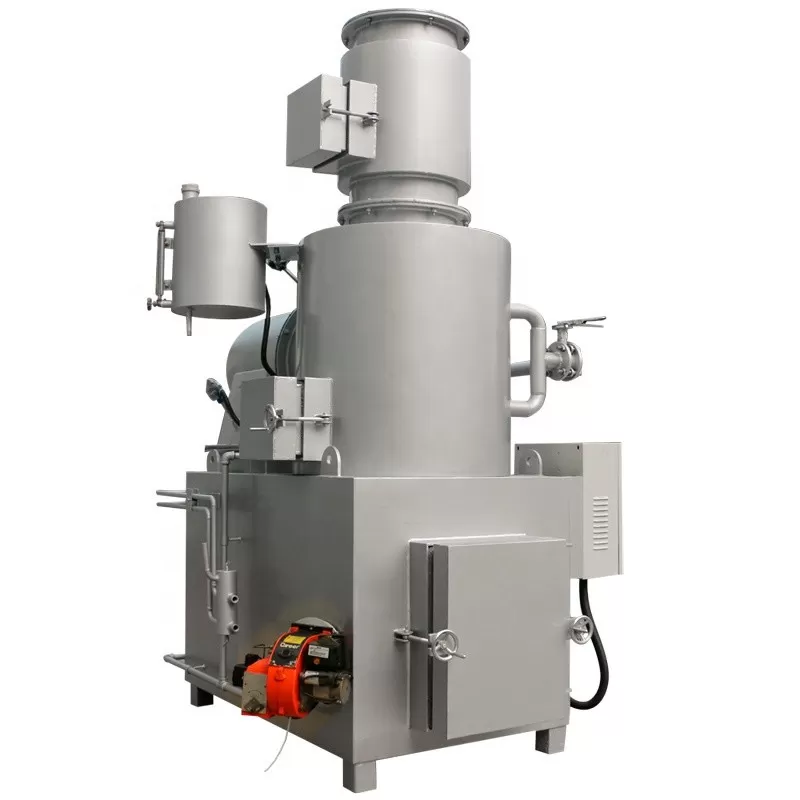
Raw materials such as carpets, filters, PCBs, dental scrap and polishing dust contain organic substances mixed with fine precious metal particles. A sealed gold ash incinerator burns off the organic material at 600–850°C, leaving behind a concentrated ash rich in gold, silver, platinum and palladium.
Unlike open-air burning, a sealed furnace keeps almost all metal particles inside the chamber. The ash is then collected from the furnace bottom, walls and flue for further processing.
Step 2: Dust Collection (Recommended for Larger Operations)
For operations processing more than a few hundred kilograms per day, a high-temperature baghouse dust collector with PTFE filter bags captures any fine metal dust carried by the flue gas. This step is optional for very small systems but can improve total recovery by 2–5%.
Step 3: Aqua Regia Dissolution
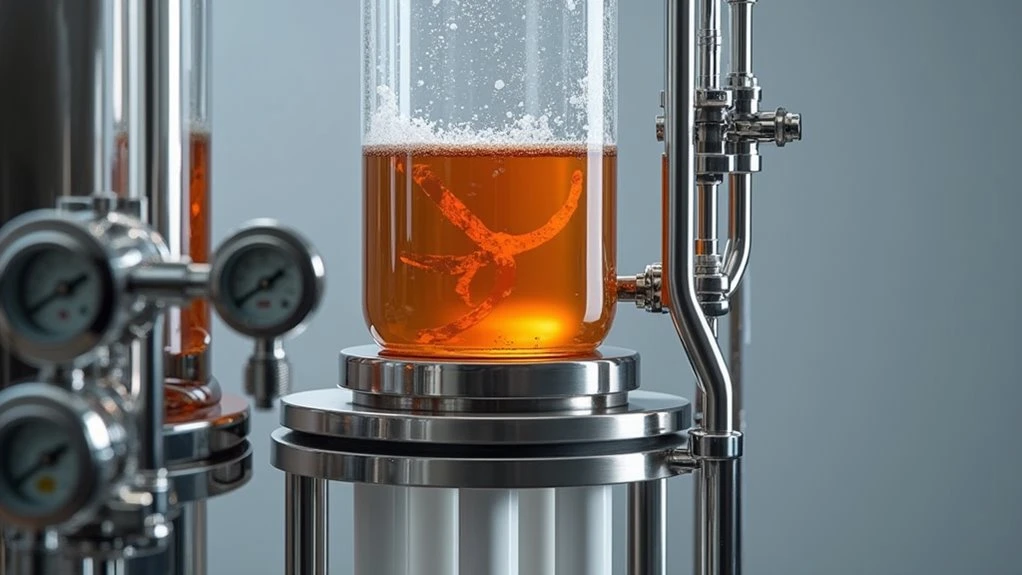
The ash is placed in an aqua regia reactor — typically a PTFE-lined or glass vessel with a heating jacket. The reaction is kept at 70–80°C for 2–4 hours until gold dissolves into chloroauric acid (HAuCl₄). Platinum and palladium also dissolve, forming chloroplatinic acid (H₂PtCl₆) and chloropalladic acid (H₂PdCl₄) respectively.
Step 4: Acid Fume Scrubbing and Mist Elimination
Both the incineration and aqua regia dissolution steps generate significant volumes of toxic gas and acid mist:
- Incinerator exhaust: Contains acidic combustion byproducts, fine particulate and traces of volatilized metals.
- Reactor off-gas: Rich in nitrogen oxides (NOx), hydrogen chloride (HCl) and chlorine gas (Cl₂), plus sub-micron acid mist droplets.
If released untreated, these emissions pose serious health risks to operators, corrode nearby equipment and violate environmental regulations in most countries. A two-stage exhaust treatment system is essential:
Stage 1 — Packed Tower Scrubber: The exhaust gas enters a vertical PP packed tower where it flows upward against a counter-current spray of alkaline solution (typically sodium hydroxide, NaOH). This neutralizes HCl, Cl₂ and most NOx gases through chemical absorption. The scrubbing liquid is recirculated with a small bleed-off for pH control.
Stage 2 — PTFE Mist Eliminator: After the scrubber, the gas stream still carries fine acid mist droplets (sub-micron to 10 µm) that the packed tower cannot capture. A PTFE fiber bed mist eliminator uses inertial impaction and interception on dense PTFE fiber bundles to coalesce and drain these micro-droplets, achieving 99%+ acid mist removal. PTFE is selected for its outstanding resistance to mixed acid environments at elevated temperatures.
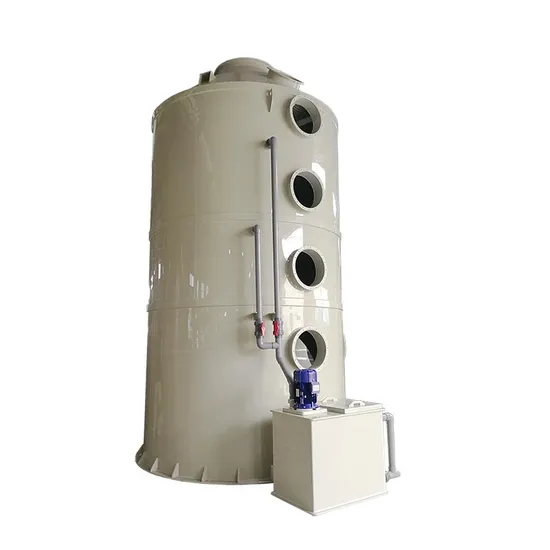
The treated exhaust is then discharged safely through an FRP or PP exhaust fan and ducting. For very small operations processing only a few hundred grams per month, the scrubber alone may be sufficient. For anything larger, the PTFE mist eliminator is strongly recommended to protect both workers and equipment.
Step 5: Precision Filtration
After dissolution, the solution contains undissolved solids such as sand, carbon and metal oxides. A 5 micron filter cartridge or 10 micron filter cartridge made of PP or PTFE removes these solids while allowing the gold-bearing solution to pass through.
Using a proper filter prevents fine gold particles from being trapped in the sludge or lost during transfer.
Step 6: Precious Metal Precipitation
The filtered solution is treated with a reducing agent. Common options include sodium sulfite, oxalic acid or hydrazine hydrochloride. Gold precipitates as a brown solid, which is filtered, dried and melted into a gold ingot.
Other precious metals can be recovered from the remaining solution through sequential precipitation:
- Silver: Add hydrochloric acid to precipitate silver chloride (AgCl), then reduce to silver metal with zinc or iron powder.
- Platinum: Add ammonium chloride to form ammonium hexachloroplatinate precipitate, then calcine to platinum sponge.
- Palladium: Add dimethylglyoxime (DMG) to selectively precipitate palladium as a yellow complex, then reduce to palladium metal.
- Rhodium: Separated from platinum group residues via zinc dust cementation or ion exchange.
Key Equipment in a Turnkey Gold Recovery System
System Process Flow
Carpets
E-waste
Dental scrap
Catalytic converters
Plating sludge
Silver
Platinum
Palladium
Rhodium
| Equipment | Function | Material |
|---|---|---|
| Gold ash incinerator | Burn organic waste, concentrate metals | Steel shell, refractory lining |
| Aqua regia reactor | Dissolve gold in acid mixture | Glass or PTFE-lined steel |
| 5 micron / 10 micron filter | Remove solids from gold solution | PP or PTFE cartridge |
| Acid fume scrubber | Neutralize NOx and HCl fumes | PP packed tower |
| PTFE mist eliminator | Capture sub-micron acid mist | PTFE fiber bed |
| Exhaust fan and ducting | Move fumes safely to scrubber | FRP / PP |
How Much Raw Material Do You Need?
Most small scale operations produce anywhere from 500 grams to 20 kilograms of recovered precious metals per month, depending on feed material quality and processing volume. The amount of scrap you need to collect depends on the type and grade of your source material.
| Material Type | Relative Gold Content | What This Means |
|---|---|---|
| Jewelry sweeps and floor filings | High | Usually the richest source from any workshop — requires less material to process. |
| Workshop carpets and polishing dust | Medium | Accumulates over months or years — larger volumes but still profitable. |
| E-waste (PCBs, connectors) | Medium to High | Gold content varies widely by component type — server and telecom boards tend to be richer. |
| Dental scrap and casting residue | High | High-karat alloys and crucible buildup yield well with minimal feed material. |
| Catalytic converters | Very High (PGMs) | Platinum, palladium and rhodium on ceramic — small quantities, high value. |
| Plating sludge and spent solutions | Low to Medium | Requires larger volumes but often available at low or no cost from plating shops. |
The key takeaway: higher-grade materials like sweeps and dental scrap require less feed volume, while lower-grade materials like plating sludge need larger throughput but can still be very profitable — especially when the raw material is free or cheap to acquire.
For a typical small scale operation, a 20–100 liter reactor is usually sufficient, with a sealed incinerator handling 50–200 kg per batch depending on your target output.
What Is the Expected Gold Recovery Efficiency?
Manual operations typically achieve 65–80% total recovery because of losses during burning, filtration and precipitation. A standardized portable gold refining system can increase this to 88–95% through:
- Sealed incineration instead of open burning
- Controlled 70–80°C aqua regia reaction
- Stable 5 micron / 10 micron precision filtration
- Complete acid fume capture
At a gold price of $60,000 per kilogram, improving recovery by just 10% on 1 kg of recoverable gold adds $6,000 in monthly value. For operations processing several kilograms per month, the improvement can be $18,000–$60,000 or more — often enough to pay back the entire system investment within the first year.
Conclusion
A small scale gold recovery system is not just a set of machines — it is a controlled, repeatable process that protects your metal value, your workers and the environment. Whether you are recovering gold from jewelry sweeps, workshop carpets, e-waste PCBs, catalytic converters, dental alloys, plating sludge, X-ray films or any combination of scrap sources, standardizing your workflow with the right gold refining equipment will significantly improve your bottom line.
ECOGRACE supplies high-temperature filtration, acid mist scrubbers, PTFE mist eliminators and precision filtration units for jewelry waste recycling, e waste gold recovery, catalytic converter recycling and precious metal recovery operations worldwide.
Frequently Asked Questions
What is the best filter for aqua regia gold recovery?
For aqua regia gold recovery, use a 5 micron filter cartridge or 10 micron filter cartridge made of PTFE or PP. These materials resist nitric acid, hydrochloric acid and temperatures up to 80°C.
Can I recover gold without a dust collector?
Yes. For very small operations, a sealed gold ash incinerator without a dust collector can be used if the ash is thoroughly collected from the furnace walls, bottom and flue. A dust collector is recommended for larger or continuous operations.
Is aqua regia gold recovery safe?
Aqua regia is highly corrosive and produces toxic NOx and HCl fumes. It is safe only when performed in sealed equipment with proper ventilation, an acid fume scrubber and a PTFE mist eliminator.
How much does a small scale gold recovery system cost?
A basic small scale system including incinerator, reactor, filtration and acid fume control typically ranges from $7,000 to $15,000 USD, depending on capacity and materials.
Can this system recover silver and platinum group metals too?
Yes. After gold precipitation, silver can be recovered by adding hydrochloric acid to form silver chloride, then reducing it to silver metal. Platinum and palladium are recovered from the same aqua regia solution through selective precipitation with ammonium chloride or dimethylglyoxime. Catalytic converter feedstock is an excellent source of platinum, palladium and rhodium.
What types of e-waste are best for gold recovery?
Server motherboards, RAM sticks, CPU pins and telecom connector boards typically have the highest gold content among e-waste. Gold-plated edge connectors, IC chips and relay contacts are also excellent sources. Low-grade cables and power supply boards contain less gold but can still be profitable at scale.
Can I process catalytic converters with this system?
Yes. Catalytic converters contain platinum, palladium and rhodium on ceramic honeycomb substrates. After crushing and decanning, the ceramic material can be processed through aqua regia dissolution or specialized PGM extraction methods to recover the precious metals.